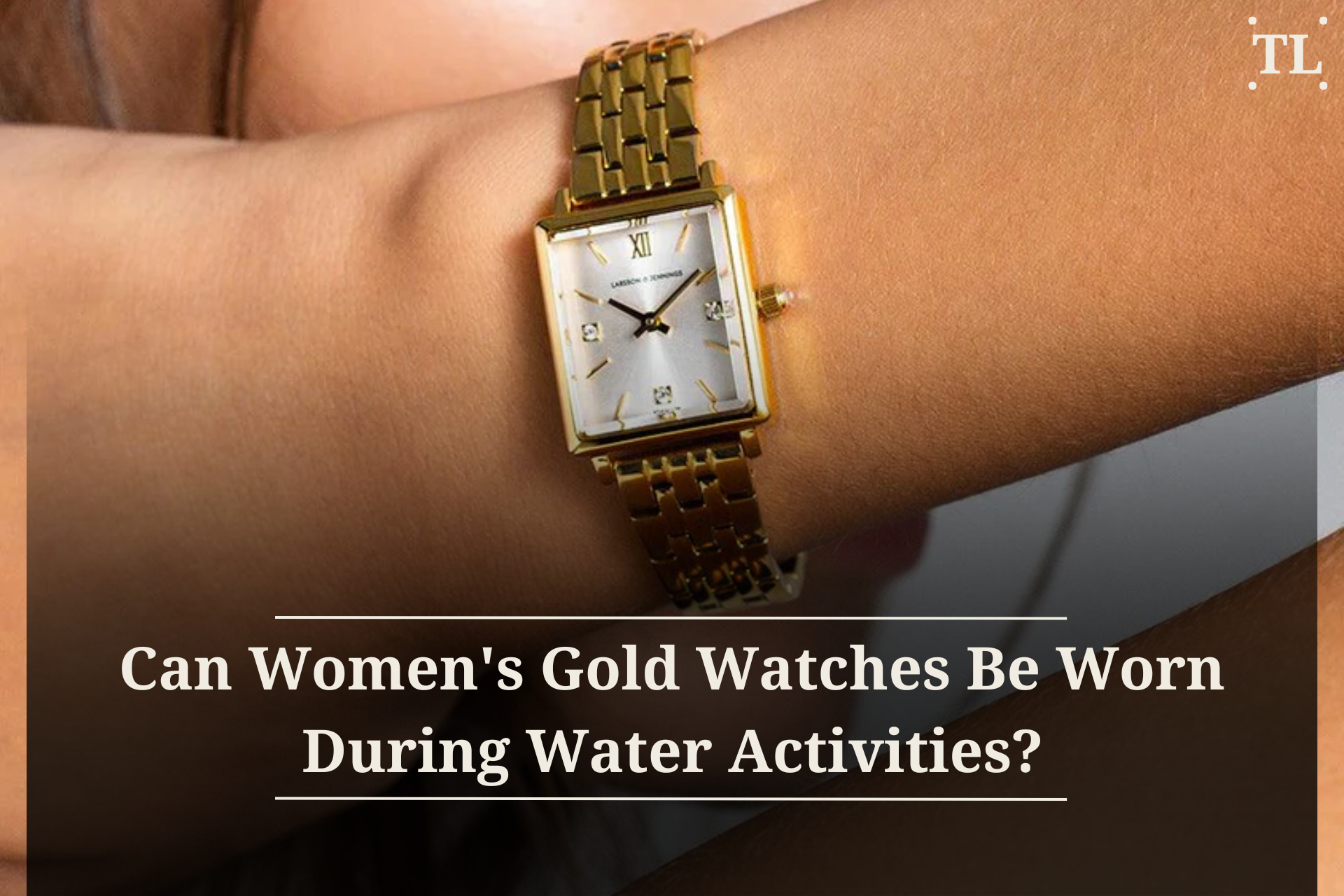
Can Women’s Gold Watches Be Worn During Water Activities?
In the realm of elegant timepieces, women’s gold watches exude sophistication and style. Their allure transcends occasions, making them a versatile accessory for various settings. However, when it comes to water activities, a question often arises: Can women confidently wear their gold watches during such pursuits without compromising their aesthetic or the watch’s integrity?
Understanding Water Resistance in Women’s Gold Watches
The feasibility of wearing a gold watch during water activities primarily hinges on its water resistance. Unlike other materials, gold itself doesn’t inherently guarantee water resistance. Instead, it’s the watch’s construction and design that determine its ability to withstand water exposure.
Key Factors Contributing to Water Resistance
- Seals and Gaskets: High-quality women’s gold watches incorporate specialized seals and gaskets within their construction. These components serve as barriers, preventing water ingress into the watch’s delicate mechanisms.
- Crown and Case Design: Watches with screw-down crowns and solid case backs contribute significantly to their water resistance. The construction minimizes potential entry points for water, safeguarding the internal components.
- Luminous Materials: Some watches feature luminous materials for enhanced visibility underwater. The manner in which these materials are integrated also impacts the watch’s water resistance.
- Depth Rating: Watches are often labeled with a depth rating, indicating the level of water pressure they can withstand. It’s imperative to understand this rating before exposing the watch to water.
Determining Appropriate Usage
While women’s gold watches can possess varying levels of water resistance, it’s essential to discern the appropriate usage scenarios to preserve both the aesthetic appeal and functionality of the timepiece.
- Showering and Swimming: Watches with a moderate water resistance rating may withstand occasional splashes but are not recommended for prolonged exposure to water, such as swimming or showering.
- Water Sports and Diving: Engaging in water sports or diving activities necessitates a higher water resistance rating, typically found in specialized dive watches. These timepieces undergo rigorous testing to withstand greater water pressure.
Maintenance and Care Guidelines
Regardless of a watch’s water resistance rating, proper maintenance and care are pivotal to ensure longevity and optimal performance.
- Regular Servicing: Periodic servicing by authorized professionals helps maintain the seals’ integrity, preserving the watch’s water resistance.
- Avoiding Extreme Temperature Changes: Abrupt temperature variations can compromise the seals, impacting the watch’s water resistance. It’s advisable to avoid exposing the watch to extreme temperature changes.
- Rinsing After Water Exposure: After contact with saltwater or chlorinated water, rinse the watch with fresh water to remove any residue that could potentially affect its components.
Frequently Asked Questions (FAQ)
1. Are all women’s gold watches water-resistant?
Not necessarily. Water resistance varies among watches based on their design, construction, and intended usage. Some women’s gold watches may have minimal water resistance, while others are specifically crafted for water activities.
2. What water resistance rating should I look for in a gold watch?
The appropriate water resistance rating depends on your intended activities. For light exposure to water like occasional splashes, a watch with a low water resistance rating might suffice. However, for swimming, diving, or water sports, opt for watches with higher water resistance, preferably with a rating suitable for those activities.
3. Can I wear my gold watch in the shower?
It’s advisable to avoid wearing your gold watch in the shower, especially if it has a low water resistance rating. The moisture and temperature changes in a shower environment can potentially compromise the watch’s integrity.
4. How often should I service my water-resistant gold watch?
Regular servicing is crucial to maintain the watch’s water resistance. Follow the manufacturer’s recommendations, but typically, servicing every one to two years by authorized professionals ensures the seals remain intact and the watch functions optimally.
5. Can I wear my gold watch while snorkeling or scuba diving?
For snorkeling or recreational diving, choose a watch specifically designed for underwater activities. Look for a watch with a higher water resistance rating, typically marked as suitable for diving or with a substantial depth rating.
Conclusion
In essence, while women’s gold watches can add elegance to any ensemble, their suitability for water activities depends on their water resistance rating and design. Understanding the watch’s limitations and adhering to recommended usage guidelines ensures both the aesthetic appeal and functionality are preserved.
Always refer to the manufacturer’s guidelines and recommendations specific to your watch to make informed decisions regarding its usage during water activities.